

改良土壤 - 落葉緩解的複利效應
Legacy effects of leaf litter on soil carbon and biodiversity

如果大家想退休後生活無憂,就梗係要儲錢做投資,複利效應加上時間係最powerful,所以趁後生儲多D就越好,同埋冇規律地去儲通常都冇咩效果。
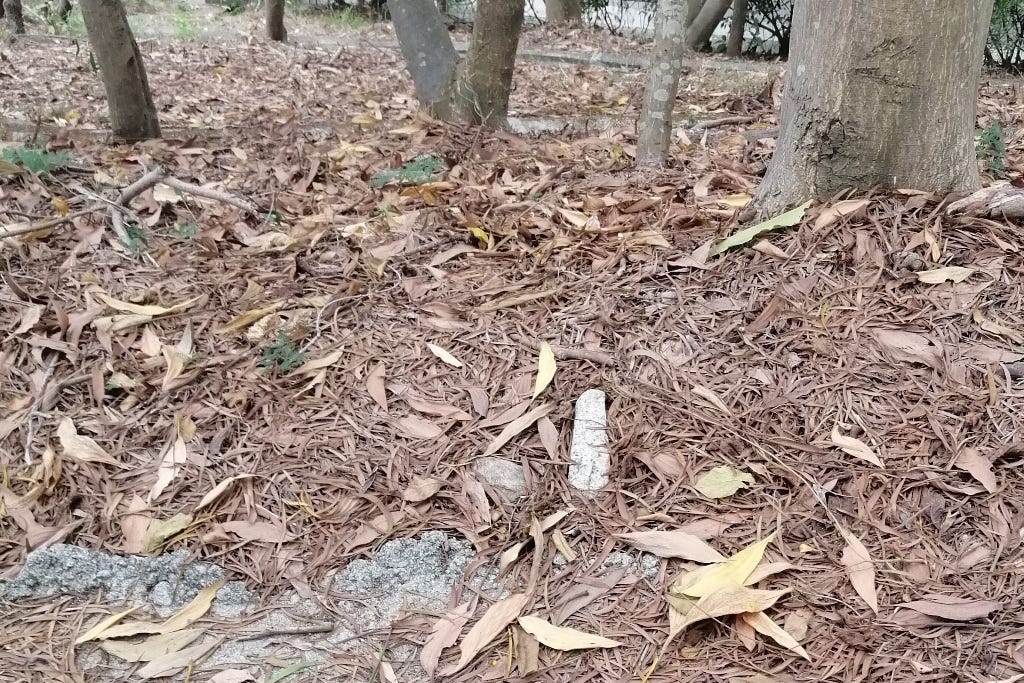
「要改良土壤,就加有機物」這基本原理唔使係專家都知,但原來有研究指,好似儲錢咁樣,唔係短期加一兩年就可以有效增加泥土內的有機物,要起碼3至10+年以上嘅持續加入,先可以有效果「睇」(雖然睇唔到,要驗泥土先知。)
今次為大家解讀一下D篇文章:
Legacy effects of long-term autumn leaf litter removal slow decomposition rates and reduce soil carbon in suburban yards (於市郊住宅後花園長期清除秋季落葉減緩分解速度並減少土壤碳之遺留影響)
Max Ferlauto, Lauren Schmitt, Karin Burghardt
First published: 22 February 2024
https://doi.org/10.1002/ppp3.10499
「遺留效應」一詞是指人類活動或自然事件對生態系統的長期影響。在落葉的情況下,遺留影響可能包括:
*土壤有機碳 (Soil Organic Carbon (SOC)) 濃度:清除落葉層可降低土壤中的 SOC 濃度。在市郊住宅後花園,長期清除落葉可將 SOC 濃度降低高達 24%。
*分解速率:清除落葉可以降低分解速率。在郊區庭院,長期清除落葉可以使分解率降低17%。
*土壤呼吸:清除落葉可以減少土壤呼吸。(土壤呼吸低會產生許多負面後果,包括:
(1)減少養分釋放: SOM 不會釋放養分來支持植物和土壤生物生長。
(2) 植物死亡:土壤呼吸減少會影響植物根部呼吸,導致植物死亡。
(3)溫室氣體排放:SOM 的不完全礦化會導致有害化合物(如甲烷和酒精)的形成。)
(4)酸沉積:反硝化和硫揮發會導致酸沉積。
*棲地複雜性:清除落葉可以降低食腐動物群落的棲地複雜性。
*非生物因素:清除落葉會增加溫度和濕度的變化差。
*植物-土壤交互作用:落葉層可以延長土壤真菌的生長,從而影響下一季對不同品種植物的生長。
Legacy effects of long-term autumn leaf litter removal slow decomposition rates and reduce soil carbon in suburban yards
Max Ferlauto, Lauren Schmitt, Karin Burghardt
First published: 22 February 2024
https://doi.org/10.1002/ppp3.10499
the term "legacy effect" refers to the long-term impact of human activities or natural events on an ecosystem. In the context of leaf litter, legacy effects can include:
*Soil organic carbon (SOC) concentrations: Removing leaf litter can reduce SOC concentrations in soil. In suburban yards, long-term litter removal can reduce SOC concentrations by up to 24%.
*Decomposition rates: Removing leaf litter can reduce decomposition rates. In suburban yards, long-term litter removal can reduce decomposition rates by 17%.
*Soil respiration: Removing leaf litter can reduce soil respiration. (Low soil respiration can have a number of negative consequences, including:
(1)Reduced nutrient release:Nutrients are not released from SOM to feed plants and soil organisms.(2)Plant death: Reduced soil respiration can affect plant root respiration, which can lead to plant death.(3)Greenhouse gas emissions: Incomplete mineralization of SOM can lead to the formation of harmful compounds like methane and alcohol. (4)Acid deposition: Denitrification and sulfur volatilization can contribute to acid deposition.)
*Habitat complexity: Removing leaf litter can reduce habitat complexity for detritivore communities.
*Abiotic factors: Removing leaf litter can increase temperature and moisture variability.
*Plant-soil interactions: Leaf litter can prolong soil fungal legacies, which can affect the growth of heterospecific plants in the next season.
*Litter quality, environmental conditions, decomposer biomass, and community composition are all major drivers of litter decomposition.